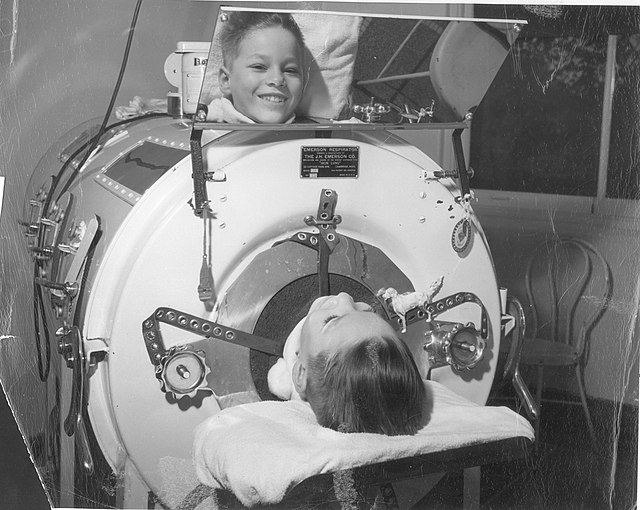
Poliomyelitis: What Every Nurse Should Know
Disease Overview Poliovirus enters the body through the mouth, replicating in the gastrointestinal tract and occasionally invading the nervous system. While up to 90% of infections are asymptomatic or limited to mild flu‑like symptoms (fever, fatigue, headache, vomiting, neck stiffness, limb pain), a small proportion—approximately one in 200 infections—progress to paralytic polio, which can result in irreversible paralysis, respiratory failure, or even death. The virus primarily affects young children but can infect individuals of any age who are unvaccinated or under‑vaccinated. Even in countries where wild poliovirus has been eliminated, healthcare providers must remain vigilant; sporadic cases or vaccine‑derived strains can emerge, especially in areas with gaps in immunization coverage. A notable long‑term complication seen in individuals who survived paralytic polio decades earlier is Post‑Polio Syndrome (PPS). PPS typically arises 15–40 years post‑infection, presenting with new or worsening muscle weakness, fatigue, joint pain, and decreased endurance. This condition poses unique challenges to patient care, rehabilitation, and quality of life. Why Education Matters in Nursing Practice Although routine polio cases have become rare in many parts of the world due to successful vaccination programs, nurses must understand both the acute manifestations and long‑term sequelae of poliomyelitis for several reasons: To deepen your understanding of this complex topic, Pedagogy Continuing Nurse Education offers targeted, practical courses:
Continuing Education with Pedagogy
References