Preventing CAUTIs: Why Nurses Must Lead the Way in Evidence‑Based Urinary Catheter Care
What CAUTI Is — and Why It Matters to You as a Nurse
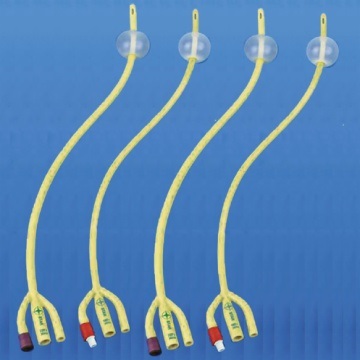
A CAUTI occurs when pathogens gain access to the urinary tract via an indwelling urinary catheter — typically a Foley — which bypasses the body’s natural defenses. These infections are associated with significant patient harm and are tracked nationally by surveillance systems like the CDC’s NHSN.
Importantly, clinical guidelines emphasize:
- Only use catheters when absolutely necessary
- Follow strict aseptic insertion technique
- Maintain a closed drainage system
- Remove catheters as soon as they’re no longer needed
Nurses are on the front lines of all of these actions — from assessing catheter necessity to monitoring care and prompting removal. That’s why education focused on CAUTI prevention is vital for safe patient care.
Inside the CAUTI Prevention Course Nurses Need
The Prevention of CAUTI: Evidence‑Based Strategies for Safe Catheter Care course from Pedagogy Education goes beyond the basics and provides nurses with practical, actionable tools to improve outcomes.
Here’s what it covers:
1. Understanding CAUTI in Clinical Context
- Definitions and epidemiology
- How bacteria enter the urinary tract during catheterization
- Risks of inappropriate catheter use
- The human and financial burden of CAUTI
2. Evidence‑Based Catheter Care Practices
- Indications for insertion
- Best practices for insertion and maintenance
- Alternatives to indwelling catheters
- Nurse‑driven removal protocols
3. Building and Sustaining a Culture of Improvement
- Surveillance and targeted assessments
- CAUTI prevention bundles
- Hospital‑wide policies
- Staff education and engagement
4. Sustaining Prevention Programs
- Quality improvement cycles
- Outcome measurement and reporting
- Regulatory alignment (CDC, CMS, Joint Commission)
- Overcoming barriers to prevention
5. Case Studies and Real‑World Application
- Clinical vignettes
- Reflection questions
- Strategies for practice improvement
By completing this course, nurses not only improve their clinical decision‑making around catheter use but also learn how to lead and sustain infection prevention efforts within their units.
Why Online Education Makes a Difference for Nurses
Nurses today face demanding schedules, rapid changes in evidence, and increasing regulatory expectations. Online continuing education offers several unique advantages:
Flexibility: Nurses can complete courses on their own time, fitting learning into shifts, commutes, or days off.
Up‑to‑Date Evidence: Online modules can be updated quickly to reflect the latest evidence and clinical guidelines.
Skill Reinforcement: Case studies, reflective questions, and practical examples help translate knowledge into bedside practice.
Continuity of Learning: Online courses support lifelong learning — essential in an era where best practices evolve rapidly.
Continuing education dedicated to infection prevention — especially CAUTI — empowers nurses not just to meet requirements, but to lead improvements in care quality and patient safety.
Nurses Can Change the CAUTI Story
Catheter use is common in inpatient settings, but so are opportunities to prevent harm. When nurses routinely ask “Is the catheter still needed?” and follow evidence‑based maintenance and removal protocols, CAUTI rates can drop — and every reduction means one more patient spared unnecessary infection and suffering.
Investing in education — like the CAUTI prevention course — isn’t just about earning contact hours. It’s about gaining the confidence and competence to implement best practices, engage your team, and advocate for safer care.