When the Problem Is in the Blood: Hematology Red Flags Every EMS Provider Should Know
Blood Does More Than Bleed
When EMS providers hear “hematology,” it’s easy to think about bleeding and clotting.
But blood has several jobs that are essential to keeping a patient alive.
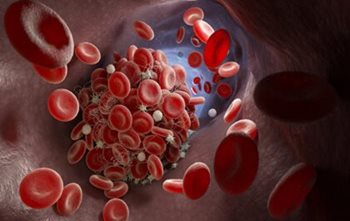
Red blood cells transport oxygen. White blood cells help defend against infection. Platelets play a critical role in clot formation. Plasma carries proteins, electrolytes, hormones, nutrients, and other substances while helping maintain circulatory volume.
A problem with any one of these components can produce a very different emergency.
That means the patient with a hematologic problem may not look like a “blood patient” at all.
They may look like a respiratory patient.
A shock patient.
A sepsis patient.
A cardiac patient.
Or simply an older adult who “hasn’t been acting right today.”
That is where a strong assessment becomes essential.
A Normal SpO₂ Doesn't Always Mean Normal Oxygen Delivery
One of the most important concepts in hematology for EMS is the difference between oxygen saturation and oxygen delivery.
Pulse oximetry is an invaluable prehospital tool, but it doesn't tell us everything.
Consider a patient with significant anemia.
The pulse oximeter may report that a high percentage of the patient's available hemoglobin is saturated with oxygen. What it cannot tell you is whether the patient has an adequate amount of hemoglobin available to carry that oxygen in the first place.
That distinction matters.
A patient can have a reassuring SpO₂ reading and still demonstrate signs of inadequate tissue oxygen delivery.
Instead of treating one monitor reading as the entire clinical picture, look at the patient.
Are they pale?
Tachycardic?
Weak?
Short of breath?
Experiencing chest discomfort?
Confused or unusually fatigued?
What do their vital-sign trends show?
The monitor provides information.
The patient provides context.
The Bleeding You Can't See
Visible hemorrhage gets everyone's attention.
Occult bleeding is different.
A gastrointestinal bleed, medication-related hemorrhage, or other internal source may progress without the dramatic visual cues associated with major trauma.
This becomes especially important in older adults and patients taking anticoagulant medications.
A patient may initially compensate for blood loss through tachycardia and peripheral vasoconstriction. As compensation fails, hypotension, altered mental status, worsening weakness, and other signs of inadequate perfusion may emerge.
The key is recognizing the trajectory before the patient reaches that point.
History matters.
Ask about anticoagulants.
Ask about recent falls—even seemingly minor ones.
Ask about black or bloody stools, vomiting blood, unusual bruising, recent procedures, known bleeding disorders, and previous episodes of bleeding.
And don't underestimate subtle changes in older patients.
What looks like “just weakness” can sometimes be the first clue to something far more serious.
Anticoagulants Change the Equation
A minor fall in one patient may be exactly that.
In another patient, it may be the beginning of a life-threatening emergency.
Anticoagulant use should immediately increase your awareness of bleeding risk, particularly when trauma, neurological symptoms, gastrointestinal complaints, or unexplained signs of shock are present.
Medication history isn't just another box on SAMPLE.
It can completely change the significance of what you're seeing.
When a patient tells you they take a “blood thinner,” determine what medication they take if possible and incorporate that information into your assessment, transport decision, and handoff.
A seemingly insignificant mechanism deserves a different level of attention when the patient's ability to clot is altered.
When Infection Becomes an Even Bigger Threat
Hematology isn't only about red blood cells and platelets.
White blood cells matter, too.
Patients with leukemia, lymphoma, cancer treatment, or other causes of immunocompromise may not respond to infection the way you expect.
The classic presentation you were taught to associate with infection may be muted or incomplete.
That makes history and overall clinical appearance especially important.
Recent chemotherapy, known malignancy, immunosuppressive treatment, recurrent infections, fever, chills, weakness, altered mental status, or an unexplained decline should raise concern.
For these patients, what initially appears to be a relatively minor illness can become serious quickly.
Sickle Cell Crisis: Look Beyond the Pain Score
Patients experiencing a sickle cell crisis may present with severe pain, but pain is only part of the picture.
Sickle cell disease affects blood flow and oxygen delivery and can produce serious complications involving multiple organ systems.
For EMS providers, the priority is recognizing the patient's distress, assessing for potentially life-threatening complications, providing appropriate supportive care within protocol, and making an appropriate transport decision.
Listen carefully to the patient.
People living with chronic diseases often know what their typical episodes feel like. A patient telling you, “This isn't like my normal crisis,” is giving you valuable clinical information.
Don't let familiarity with a chronic condition create false reassurance.
High-Risk Patients Deserve a Higher Index of Suspicion
Certain patients should immediately make hematologic problems move higher on your differential.
Older adults may have occult bleeding or atypical signs of shock.
Oncology patients may have anemia, thrombocytopenia, infection risk, or complications associated with treatment.
Pregnant patients undergo significant physiologic changes and can deteriorate rapidly when hemorrhage occurs.
Patients taking anticoagulants have increased bleeding risk.
Patients with known hematologic diseases may present with complications related to their underlying condition.
None of this means assuming the diagnosis before completing your assessment.
It means recognizing risk.
And in EMS, recognizing risk early can change what happens next.
Treat the Patient, Not Just the Numbers
Prehospital management of many hematologic emergencies is largely supportive.
But “supportive” does not mean unimportant.
EMS providers are often the first clinicians in a position to recognize that a vague collection of symptoms may represent impaired oxygen delivery, hemorrhage, abnormal clotting, infection risk, or another hematologic emergency.
Your assessment can identify deterioration.
Your history can uncover the anticoagulant no one initially mentioned.
Your reassessment can reveal a trend that a single set of vital signs missed.
Your transport decision can reduce delays in definitive care.
And your handoff can make sure the receiving team understands exactly what raised your concern.
Sometimes the most important thing we do in the field isn't identifying a perfect diagnosis.
It's recognizing that something dangerous is developing before it becomes obvious.
Strengthen Your Hematology Assessment Skills
Blood Matters: Hematology for EMTs & Paramedics was developed to give EMS professionals a practical, field-focused understanding of hematology and the conditions they may encounter in prehospital care.
The course covers blood composition and function, patient assessment, occult bleeding and shock, anemia, leukemia and immunocompromise, bleeding disorders, sickle cell crisis, anticoagulant-related risks, special populations, and prehospital management considerations.
The 1-contact-hour course is authored by Brad Moore, a licensed paramedic and Texas EMS Instructor with more than 18 years of public-safety experience.
Because when the problem isn't obvious, understanding what may be happening beneath the surface can make all the difference.
Learn more about Blood Matters: Hematology for EMTs & Paramedics from Pedagogy Education.