
Blood Matters: Hematology for EMTs & Paramedics
Through a systems-based approach, this course emphasizes the identification of hematologic red flags, including occult bleeding, anemia, clotting abnormalities, and immunocompromised states. Special attention is given to high-risk populations such as geriatric patients, oncology patients, pregnant patients, and those taking anticoagulant medications. Providers will also review key assessment challenges, including limitations of common monitoring tools like pulse oximetry in certain hematologic conditions.
While prehospital management is largely supportive, early recognition and appropriate intervention are critical to improving outcomes. This course equips EMS providers with the knowledge needed to recognize patterns, anticipate complications, and make informed treatment and transport decisions when managing patients with hematologic emergencies.
Objectives
Upon completion of this course, participants should be able to:
- Define key hematologic terms and identify the primary components and functions of blood.
- Identify common signs and symptoms associated with major hematologic disorders, including anemia, leukemia, and bleeding disorders.
- Differentiate between compensated and decompensated shock based on patient presentation and vital sign trends.
- Recognize high-risk patient populations and conditions, including anticoagulant use, immunocompromised states, and sickle cell crisis.
- Select appropriate prehospital interventions and transport decisions based on suspected hematologic emergencies.
Curriculum
Chapter 1: Foundations of Hematology for EMS
-
Importance of Hematology in Prehospital Care
-
The Hematopoietic System
-
Blood Composition and Function
-
Red Blood Cells and Oxygen Transport
-
White Blood Cells and Immunity
-
Platelets and Clotting
-
Plasma and Circulatory Balance
-
Blood Typing and Transfusion Basics
Chapter 2: Patient Assessment & Hematologic Red Flags
-
Scene Size-Up and Initial Impression
-
Primary Assessment Priorities
-
Secondary Assessment and SAMPLE History
-
System-Based Physical Exam Findings
-
Vital Signs and Monitoring Challenges
-
Recognition of Shock and Occult Bleeding
-
Special Considerations in Geriatric Patients
Chapter 3: Common Hematologic Disorders in EMS
-
Anemia: Causes and Presentation
-
EMS Management of Anemia
-
Leukemia and Immunocompromise
-
Lymphomas and Cancer-Related Emergencies
-
Polycythemia and Hyperviscosity
-
Hemophilia and Bleeding Disorders
-
Cytopenias and Pancytopenia
Chapter 4: High-Risk & Time-Sensitive Hematologic Emergencies
-
Sickle Cell Disease and Crisis Recognition
-
EMS Management of Sickle Cell Crisis
-
Hematologic Causes of Shock
-
Anticoagulants and Medication-Induced Risks
-
Infection Risk in Immunocompromised Patients
-
Special Populations and Transport Decisions
-
Supportive Care and EMS Protocol Integration
Price: $12.00
Contact Hour: 1
Course Author
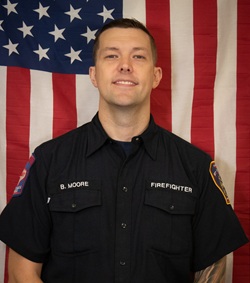
Brad Moore
Brad Moore is a dedicated public safety professional with over 18 years of service in emergency response. He has been a firefighter since 2021 and became a licensed paramedic in 2023, providing critical care in high-pressure situations. Before transitioning to Fire and EMS, Brad served for 12 years as a police officer, where he developed strong skills in leadership, crisis management, public safety, and community service. He is also a licensed EMS Instructor through the Texas Department of State Health Services, further extending his expertise in training and education for emergency responders.
Course Accreditation
Provider approved by the Texas Department of State Health Services, course provides 1.00 contact hour(s). CE Program Approval Number #: 601011.