Understanding HAZMAT Medical Emergencies for EMS Providers
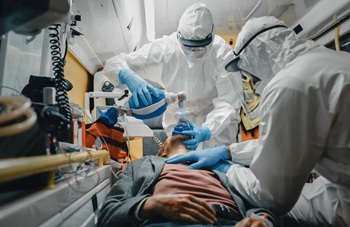
Emergency Medical Services (EMS) providers increasingly encounter incidents involving hazardous materials (HAZMAT). These situations range from transportation accidents with chemical spills to industrial releases, agricultural exposures, or even household chemical emergencies. While specialized HAZMAT teams typically handle containment and mitigation, EMS personnel must still be prepared to safely recognize, assess, and manage patients affected by such incidents.
The Unique Challenges of HAZMAT Incidents
HAZMAT emergencies present several challenges that differ from typical medical calls:
1. Scene Safety Comes First: Before any patient care begins, EMS providers must prioritize their own safety. Recognizing that a substance may be hazardous and taking note of placards, labels, or other indicators is vital. The Emergency Response Guidebook is a key resource for identifying hazardous materials and initial recommended actions.
2. Hazard Recognition and Zones: HAZMAT scenes are divided into zones—hot (contaminated), warm (decontamination), and cold (support). EMS personnel generally operate in the cold zone once victims have been decontaminated and are safe for medical assessment and treatment.
3. Limited Entry and Role Constraints: EMS is often not the first responder into the hot zone where the hazardous material is actively present. Instead, their role focuses on staging, supporting specialized HAZMAT teams, and providing care only after decontamination and once it’s safe to do so. Protocols from many EMS agencies emphasize staging in the cold zone and following direction from the Incident Commander.
4. Decontamination and Contamination Control: Understanding decontamination principles is crucial. Removing a patient’s clothing and thorough irrigation with water can remove a significant portion of contaminants. EMS may assist with or coordinate the transfer of victims once they are decontaminated.
5. Toxicology and Clinical Recognition: Many hazardous materials produce recognizable clinical syndromes (toxidromes). Training in basic toxicology helps EMS providers recognize patterns of poisoning and exposure effects, even when the specific chemical is unknown.
EMS Best Practices in HAZMAT Incidents
- Prioritize Scene Assessment: Use visual cues and resources like the Emergency Response Guidebook to identify potential hazards. Avoid relying on smell or taste, which can be dangerous.
- Coordinate with Other Responders: Immediately notify fire and specialized HAZMAT teams when a hazardous material incident is suspected. Clear communication with dispatch and incident command is essential for coordinated response.
- Work Within the Incident Command System (ICS): Understanding the ICS structure helps EMS providers integrate into multi-agency responses effectively, knowing when and where to provide care within established zones.
- Patient Assessment After Decontamination: Once patients are decontaminated and in safe areas, EMS providers can perform primary assessments, airway management, monitoring, and necessary interventions.
- Documentation and Follow-Up: Record the name of the chemical(s), route and time of exposure, decontamination details, and treatments administered. This information can guide hospital care and public health follow-up.
Introducing the New Pedagogy Online Course
For EMS professionals seeking structured training on these critical topics, Pedagogy’s new online course HAZMAT Medical Emergencies for EMS Providers is designed specifically for EMTs and paramedics.This course offers:
- An in-depth overview of hazardous materials incidents from a medical perspective
- Guidance on scene safety and establishing safety zones
- Basic toxicology concepts tailored to EMS
- Recognition of common toxidromes and clinical effects
- Medical management and pharmacologic intervention strategies
- Practical curriculum covering scene response through patient care decisions including airway management, multiple casualty considerations, and more
This course is ideal both as a refresher for experienced providers and as an introduction for those new to HAZMAT medical response.
References
- Agency for Toxic Substances and Disease Registry. (2022). Medical management guidelines for acute chemical exposures. U.S. Department of Health and Human Services. https://wwwn.cdc.gov/TSP/MMG/MMGDetails.aspx
- National Association of Emergency Medical Technicians. (2020). Hazardous materials awareness and operations. Jones and Bartlett Learning.
- Occupational Safety and Health Administration. (2023). Hazardous waste operations and emergency response standard (HAZWOPER), 29 CFR 1910.120. U.S. Department of Labor. https://www.osha.gov/laws-regs/regulations/standardnumber/1910/1910.120
- Pedagogy Education. (2026). HAZMAT medical emergencies for EMS providers. https://pedagogyeducation.com/Courses/HAZMAT-Medical-Emergencies-for-EMS-Providers
- U.S. Department of Transportation. (2024). Emergency response guidebook. Pipeline and Hazardous Materials Safety Administration. https://www.phmsa.dot.gov/hazmat/erg