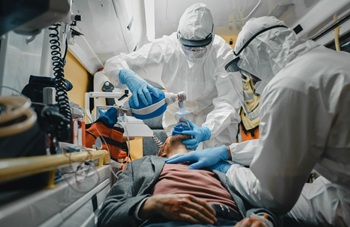
HAZMAT Medical Emergencies for EMS Providers
This course provides Texas EMS providers with an in-depth overview of hazardous materials incidents from a medical perspective. Emphasis is placed on scene safety, recognition of toxidromes, and evidence-based patient care. The material is appropriate for EMTs and Paramedics and serves as both an introduction and a refresher on HAZMAT medical response.
Objectives
Upon completion of this course, the participant will be able to:
- Describe scene safety considerations unique to hazardous materials incidents.
- Define and recognize the primary HAZMAT zones.
- Explain basic toxicology concepts relevant to EMS.
- Identify common toxidromes and their clinical presentations.
- Outline medical interventions for patients exposed to hazardous substances.
- Discuss pharmacologic treatments commonly used in HAZMAT emergencies.
Curriculum
Chapter 1: Scene Safety and Initial Response
- Recognizing a Potential HAZMAT Incident
- The Golden Rule of HAZMAT Response
- Establishing Safety Zones
- Personal Protective Equipment (PPE)
- Decontamination Principles
- Routes of Exposure
- Dose and Exposure Time
- Acute vs. Chronic Exposure
- Physiologic Targets of Toxins
- Role of EMS Assessment
- What Is a Toxidrome?
- Major Toxidrome Categories
- Irritant gases
- Corrosives
- Asphyxiants
- Cholinergics
- Hydrocarbons
- The EMS Treatment Priorities
- Patient Decontamination
- Primary Assessment Considerations
- Airway Management
- Cardiac Monitoring
- Transport Decisions
- Multiple Casualty Incidents
- Albuterol
- Amiodarone
- Amyl Nitrite Pearls
- Atropine
- Calcium Gluconate
- Dopamine
- Epinephrine
- Hydroxocobalamin (Cyanokit)
- Lidocaine
- Methylene Blue
- Nebulized Sterile Water
- Pralidoxime (2-PAM, Protopam)
- Sodium Bicarbonate
- Sodium Nitrite
- Sodium Thiosulfate
- Tetracaine
Price: $12.00
Contact Hour: 1
Course Author
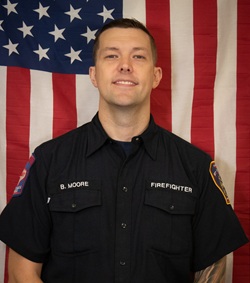
Brad Moore
Brad Moore is a dedicated public safety professional with over 18 years of service in emergency response. He has been a firefighter since 2021 and became a licensed paramedic in 2023, providing critical care in high-pressure situations. Before transitioning to Fire and EMS, Brad served for 12 years as a police officer, where he developed strong skills in leadership, crisis management, public safety, and community service. He is also a licensed EMS Instructor through the Texas Department of State Health Services, further extending his expertise in training and education for emergency responders.
Course Accreditation
Provider approved by the Texas Department of State Health Services, CE Program Approval Number #: 601011. Out of state participants must verify acceptance of this accreditation with their own licensing board.