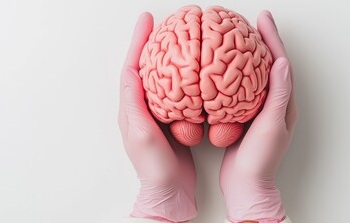
Understanding Cognition Across the Lifespan: Why It Matters for Nurses
Recognizing the Difference Between Aging and Cognitive Decline
Some mild forgetfulness can occur with aging, but more serious memory problems deserve attention. The National Institute on Aging explains that memory changes may reflect mild cognitive impairment, dementia, or other conditions beyond normal aging. Understanding that distinction helps frame thoughtful conversations about patients’ concerns. Learn more from the National Institute on Aging.
For nurses, this topic raises practical questions: What has changed for this patient? What concerns has the family noticed? How can we communicate clearly while respecting the patient’s dignity?
Explore the Brain Across Every Stage of Life
Pedagogy’s online CNE course, Cognition and Our Brains Through the Human Lifespan, explores cognitive development from childhood through older adulthood, along with normal and pathological brain aging.
Course topics include:
-
The meaning of cognition and its relationship to the brain.
-
Methods used to map brain function.
-
Cognitive development and theories of cognitive ability.
-
Physical and functional brain changes with aging.
-
Differences between normal and pathological cognitive decline.
-
Approaches to diagnosing Alzheimer’s disease and other dementias.
-
Factors associated with differences in cognitive aging.
Written by Catherine Schneider, a Ph.D.-trained gerontologist, the course offers 1.5 contact hours and is listed at $18. View course details.
Make Cognitive Health Part of Your Continuing Education
Whether your nursing practice involves younger patients, older adults, or several generations of a family, cognition is a meaningful topic to explore. Consider how this knowledge could inform the way you explain care, listen to concerns, and involve patients in conversations.
Ready to expand your understanding of the brain across the lifespan? Explore the course and enroll through Pedagogy.