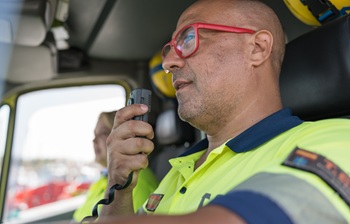
EMS Communication and Documentation: The Lifeline of Quality Patient Care
In the fast-paced world of emergency medical services, every second counts. But what often separates a good EMS response from an exceptional one is not just speed or skill—it’s communication and documentation. These are not just administrative tasks—they are critical tools that save lives, protect you legally, and ensure continuity of care.
Why Communication Matters in EMS
Strong communication can be the difference between a smooth patient handoff and critical information being lost in translation. Whether you are coordinating with dispatch, working alongside fellow EMTs and paramedics, or briefing hospital staff, clarity, accuracy, and brevity are essential. Miscommunication can delay treatment, compromise patient safety, and create unnecessary stress in high-pressure scenarios.
Documentation: More Than Just Paperwork
Your patient care report is more than a legal form—it is the story of the care you provided. Accurate documentation ensures continuity when patients move from the field to the emergency department. It protects you in the event of audits, complaints, or legal review, and it provides data that helps EMS systems improve protocols and outcomes. Remember, what you document reflects the care you delivered and the professionalism of the EMS team.
Keys to Effective EMS Documentation
- Be Accurate: Record vital signs, interventions, and patient responses exactly as they occur.
- Be Timely: Complete your reports promptly to ensure accuracy and clarity.
- Be Clear and Concise: Avoid jargon, ensure legibility, and focus on critical patient information.
- Use Standardized Formats: Structured reports reduce errors and improve communication with receiving facilities.
Invest in Your Skills
Strong EMS communication and documentation skills are not innate—they are learned and refined. Pedagogy Education offers an online course titled EMS Communication and Documentation: Essential Skills for Quality Patient Care. This course helps EMTs and paramedics master the skills needed to communicate effectively, document accurately, and deliver high-quality patient care. The flexibility of online learning allows you to build these essential skills on your own schedule, ensuring you are prepared for any call.
Enhance your professionalism, protect your career, and improve patient outcomes by investing in your EMS communication and documentation skills today. Explore the course here: EMS Communication and Documentation: Essential Skills for Quality Patient Care
References:
- National Highway Traffic Safety Administration. National EMS Scope of Practice Model. U.S. Department of Transportation, 2019.
- American Heart Association. Guidelines for Cardiopulmonary Resuscitation and Emergency Cardiovascular Care. 2020.
- Prehospital Emergency Care Journal. Best Practices in EMS Documentation and Communication. 2021.
- Pedagogy Education. EMS Communication and Documentation: Essential Skills for Quality Patient Care Course Materials.