Mastering Cardiac Emergencies in the Field: A Guide for EMTs and Paramedics
When a patient’s heart falters, every second counts. EMTs and paramedics are on the front lines, and their actions can mean the difference between life and death. Understanding how to quickly recognize and manage cardiac emergencies is critical for saving lives in the field.
Spotting Cardiac Emergencies Fast
Cardiac emergencies can take many forms: heart attacks, arrhythmias, unstable angina, or sudden cardiac arrest. Symptoms may include chest pain, shortness of breath, dizziness, palpitations, or sudden collapse. Quick, structured assessment using the ABCDE approach – Airway, Breathing, Circulation, Disability, Exposure – is essential to prioritize care immediately.
Top Field Interventions EMTs Should Know
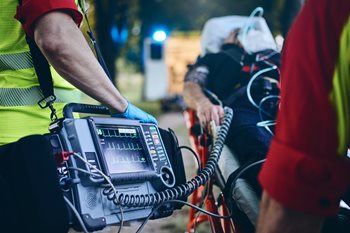
- Rapid Assessment and Monitoring: Attach cardiac monitors early to identify life-threatening arrhythmias. Continuous rhythm assessment is key for timely interventions and helps communicate critical information to the receiving hospital.
- Airway and Oxygen Management: Maintain a clear airway and provide supplemental oxygen when needed. Remember, high-flow oxygen is for patients with hypoxia or respiratory distress. Over-oxygenating can sometimes be harmful.
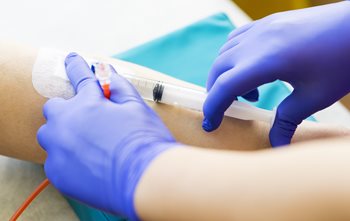
- Medications in the Field: Administer life-saving medications as protocols allow: aspirin for suspected heart attacks, nitroglycerin for chest pain, or antiarrhythmics for critical dysrhythmias. Always follow your local scope of practice and guidelines.
- Defibrillation and Advanced Life Support: In cardiac arrest, early defibrillation plus high-quality CPR dramatically increases survival. Administer medications as recommended and follow current ACLS guidelines to optimize outcomes.
- Rapid Transport and Clear Communication: Time is critical. Transport patients quickly to the appropriate facility while providing concise handoff reports: include vitals, interventions, and response to treatment.
Why Ongoing Cardiac Education Matters
Cardiac care in the prehospital setting is constantly evolving. Advanced skills like reading complex ECGs, managing unstable arrhythmias, and coordinating with hospital teams save lives. Staying current is not optional – it’s essential.
Pedagogy Education offers an online course tailored for EMTs and paramedics: Advanced Cardiac Care for the EMT: Managing Cardiac Emergencies in the Field. This course provides in-depth training on cardiac assessment, interventions, and best practices – all at your own pace.
Learn more and enroll here: Advanced Cardiac Care for the EMT: Managing Cardiac Emergencies in the Field
References:
- American Heart Association. 2025 Guidelines for CPR and Emergency Cardiovascular Care.
- American Heart Association. Basic and Advanced Cardiac Life Support Provider Manual.
- Pedagogy Education. Advanced Cardiac Care for the EMT: Managing Cardiac Emergencies in the Field Course Materials.