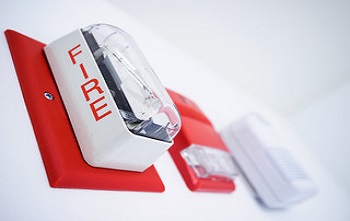
Healthcare Fire and Life Safety: Prevention, Response, and Compliance
Fire can place patients, residents, visitors, and healthcare personnel at significant risk, particularly when occupants have limited mobility, cognitive impairment, or other conditions that may affect their ability to respond to an emergency. Effective fire and life safety therefore depends on more than emergency response - it begins with recognizing hazards, preventing ignition, maintaining building safety features, and keeping evacuation and relocation routes available at all times.
This course introduces healthcare personnel to essential fire prevention and life safety practices. Participants will learn how to recognize common fire hazards, maintain safe storage and electrical practices, protect the means of egress, understand the purpose of important fire protection systems, and respond appropriately when a fire or smoke condition occurs.
The course also introduces the regulatory framework applicable to healthcare fire and life safety, including relevant CMS requirements, NFPA standards, OSHA requirements, and the role of state and local authorities. Because requirements vary by facility type and jurisdiction, participants should always follow their organization's fire safety policies, emergency procedures, and instructions from the applicable authority having jurisdiction.
Objectives
Upon completion of this course, the participant should be able to:
- Explain why fire and smoke present heightened risks in healthcare environments.
- Differentiate between common fire hazards, ignition sources, and conditions that can contribute to fire spread.
- Identify safe practices for housekeeping, waste management, storage, flammable materials, and electrical equipment.
- Describe the three basic components of a means of egress and explain why exit routes must remain available and unobstructed.
- Recognize practices that can compromise fire doors, alarms, sprinklers, exit signs, emergency lighting, and other fire protection systems.
- Describe the role of healthcare personnel in preventing, recognizing, and reporting fire and life safety hazards.
- Apply the RACE procedure and facility-specific emergency procedures when responding to a fire or smoke condition.
- Explain when attempting to use a portable fire extinguisher may be inappropriate or unsafe.
- Recognize that fire and life safety requirements may be established through CMS conditions, NFPA codes, OSHA standards, state and local requirements, and the authority having jurisdiction.
- Apply positive fire and life safety practices to common healthcare workplace scenarios.
Curriculum
Chapter 1: Fire and Life Safety in Healthcare
- Unique risks in healthcare
- Fire prevention and life safety
- Employee responsibilities
- Regulatory overview
Chapter 2: How Fires Start: Hazards, Fuels, and Ignition Sources
- Fire triangle
- Fuels and ignition sources
- Oxygen and fire safety
- Recognizing fire hazards
Chapter 3: Housekeeping, Waste, Storage, and Flammable Materials
- Combustible waste
- Safe storage practices
- Sprinkler clearance
- Flammable and combustible materials
Chapter 4: Electrical and Common Fire Hazards
- Electrical warning signs
- Extension cords and power strips
- Portable heaters
- Open flames and smoking
- Oxygen-related precautions
Chapter 5: Protecting the Means of Egress
- Exit access, exits, and exit discharge
- Keeping exit routes clear
- Fire doors
- Exit signs and emergency lighting
Chapter 6: Fire Protection and Life Safety Systems
- Detection and fire alarms
- Automatic sprinklers
- Fire and smoke containment
- Fire extinguishers
- Emergency lighting and power
Chapter 7: Emergency Response and RACE
- RACE procedure
- Fire notification
- Extinguisher safety and PASS
- Patient/resident relocation and evacuation
Chapter 8: Maintaining Compliance and a Culture of Fire Safety
- CMS, NFPA, OSHA, and AHJ
- Inspections and surveys
- Fire drills and training
- Reporting hazards
- Everyday safety culture
Chapter 9: References
Price: $18.00
Contact Hours: 1.5
Course Author
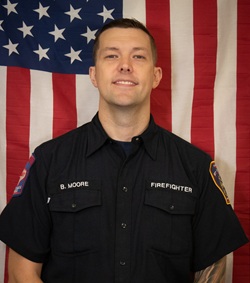
Brad Moore
Brad Moore is a dedicated public safety professional with over 18 years of service in emergency response. He has been a firefighter since 2021 and became a licensed paramedic in 2023, providing critical care in high-pressure situations. Before transitioning to Fire and EMS, Brad served for 12 years as a police officer, where he developed strong skills in leadership, crisis management, public safety, and community service. He is also a licensed EMS Instructor through the Texas Department of State Health Services, further extending his expertise in training and education for emergency responders.
Course Accreditation
See our Accreditation Statements page to view our accreditation information.