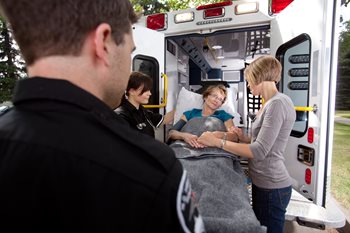
Geriatric Emergency Care for EMTs: Understanding the Aging Patient
This continuing education course is designed for Texas EMTs, AEMTs, and Paramedics who provide emergency medical services to geriatric patients. As the U.S. population ages, EMS providers are increasingly called to manage emergencies in patients over 65. Geriatric patients often present with multiple chronic illnesses, altered physiological responses, and complex medication profiles that challenge standard assessment and treatment protocols.
This course provides an in-depth exploration of the pathophysiology of aging, assessment considerations, and management strategies for medical, traumatic, environmental, and pharmacological emergencies in older adults. Learners will gain the skills and insight needed to provide safe, effective, and compassionate care to this vulnerable and growing population.
Objectives
Upon completion of this course, participants will be able to:
- Describe how aging affects major body systems, including respiratory, cardiovascular, renal, neurological, and musculoskeletal functions.
- Identify age-related physiological changes and explain how they impact geriatric patient assessment and presentation.
- Demonstrate effective communication and assessment techniques that account for sensory, cognitive, and medication-related challenges in older adults.
- Recognize atypical signs of common geriatric medical emergencies.
- Identify common high-risk medications and early signs of toxicity specific to older adults.
- Recognize physical, emotional, and environmental indicators of elder abuse or neglect and understand EMS reporting obligations.
Curriculum
Chapter 1: The Aging Patient - Physiologic and Psychosocial Changes
-
The Physiology of Aging
-
Respiratory System Changes
-
Cardiovascular System Changes
-
Renal and Hepatic Function Decline
-
Nervous System Changes
-
Musculoskeletal System Changes
-
Psychosocial and Emotional Changes
Chapter 2: Assessment and Communication in the Geriatric Patient
-
Obtaining the History
-
Medication Review: Polypharmacy in the Elderly
-
Communication Barriers and Solutions
-
Conducting the Physical Examination
-
Identifying Altered Mental Status
-
Assessing for Abuse or Neglect
Chapter 3: Common Medical Emergencies in Older Adults
-
Cardiovascular Emergencies
-
Shock in the Elderly Patient
-
Acute Myocardial Infarction (AMI)
-
Congestive Heart Failure (CHF)
-
-
Respiratory Emergencies
-
Pneumonia
-
Pulmonary Embolism (PE)
-
Chronic Obstructive Pulmonary Disease (COPD)
-
-
Neurological Emergencies
-
Stroke and Transient Ischemic Attack (TIA)
-
Dementia vs. Delirium
-
Depression and Suicide Risk
-
-
Environmental Emergencies
-
Hypothermia
-
Heat-Related Illness
-
Chapter 4: Geriatric Trauma and Environmental Emergencies
-
Understanding Geriatric Trauma
-
Head and Cervical Spine Injuries
-
Musculoskeletal Trauma
-
Thoracic and Abdominal Trauma
-
Environmental Emergencies
-
Hypothermia
-
Hyperthermia
-
Elder Abuse and Neglect
-
Chapter 5: Pharmacology, Drug Toxicity, and Elder Abuse
-
Pharmacology in the Elderly
-
Drug Toxicity and Overdose
-
Polypharmacy: The Hidden Danger
-
Elder Abuse and Neglect
Price: $12.00
Contact Hour: 1
Course Author
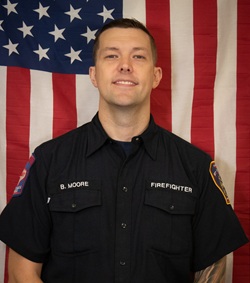
Brad Moore
Brad Moore is a dedicated public safety professional with over 18 years of service in emergency response. He has been a firefighter since 2021 and became a licensed paramedic in 2023, providing critical care in high-pressure situations. Before transitioning to Fire and EMS, Brad served for 12 years as a police officer, where he developed strong skills in leadership, crisis management, public safety, and community service. He is also a licensed EMS Instructor through the Texas Department of State Health Services, further extending his expertise in training and education for emergency responders.
Course Accreditation
Provider approved by the Texas Department of State Health Services, CE Program Approval Number #: 601011. Out of state participants must verify acceptance of this accreditation with their own licensing board.