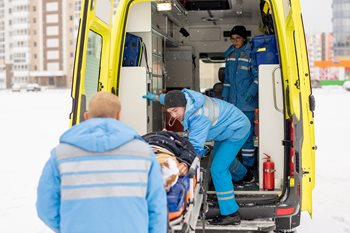
Environmental Emergencies: Recognition and Response for EMTs
Questions? Check out our FAQs page!
Objectives
Upon completion of this course, participants will be able to:
- Define an environmental emergency.
- List the mechanisms of heat loss.
- Define and list symptoms of hypothermia.
- Differentiate between heat exhaustion and heatstroke.
- State possible complications following a drowning event.
- Define decompression illness.
- Recognize which altitude illness is the most common and mildest form.
- List interventions and treatments for altitude illnesses.
Curriculum
Chapter 1: Introduction to Environmental Emergencies, Thermoregulation, and Risk Factors
- The Importance of Early Recognition
- Defining Environmental Emergencies
- Thermoregulation: How the Body Maintains Temperature
- Mechanisms of Heat Gain and Loss
- Case Study: The Hidden Risk
Chapter 2: Hypothermia and Frostbite
- Understanding Hypothermia
- Assessment of the Hypothermic Patient
- Field Management of Hypothermia
- Case Study: Accidental Hypothermia
- Frostbite
- Field Management of Frostbite
- Case Study: Deep Frostbite
Chapter 3: Heat-Related Emergencies
- Understanding Heat Illness
- Spectrum of Heat Illness
- EMS Assessment and Management
- Differentiating Fever from Heatstroke
- Case Study: Exertional Heatstroke
- Prevention and Patient Education
Chapter 4: Aquatic and Diving Emergencies
- Understanding Drowning and Submersion Events
- Clinical Presentation of Drowning Victims
- EMS Assessment and Management of Drowning Victims
- Case Study: Drowning with Delayed Complications
- Diving Emergencies
- Gas Laws Relevant to Diving
- Case Study: Decompression Illness
Chapter 5: Altitude-Related Illnesses
- Atmospheric Changes with Altitude
- Spectrum of Altitude Illness
- Case Study: Combined HAPE and HACE
- Operational Considerations for EMS Providers
- References
Price: $12.00
Contact Hour: 1
Course Author
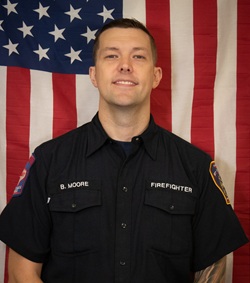
Brad Moore
Brad Moore is a dedicated public safety professional with over 18 years of service in emergency response. He has been a firefighter since 2021 and became a licensed paramedic in 2023, providing critical care in high-pressure situations. Before transitioning to Fire and EMS, Brad served for 12 years as a police officer, where he developed strong skills in leadership, crisis management, public safety, and community service. He is also a licensed EMS Instructor through the Texas Department of State Health Services, further extending his expertise in training and education for emergency responders.
Course Accreditation
Provider approved by the Texas Department of State Health Services, CE Program Approval Number #: 601011. Out of state participants must verify acceptance of this accreditation with their own licensing board.