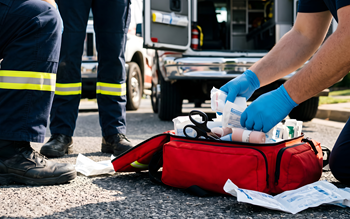
Common Infectious Pathogens: Recognition, Prevention, and Response in EMS
Emergency medical technicians (EMTs), paramedics, and firefighters routinely encounter patients and environments that may expose them to infectious pathogens. From bloodborne viruses and respiratory infections to drug-resistant bacteria and gastrointestinal illnesses, understanding how infectious diseases spread is essential to protecting emergency responders, patients, and the communities they serve.
This continuing education course provides an overview of common infectious pathogens encountered in emergency services, with an emphasis on disease transmission, clinical recognition, occupational exposure risks, and evidence-based infection prevention practices. Participants will examine infectious diseases including hepatitis, tuberculosis, meningitis, methicillin-resistant Staphylococcus aureus (MRSA), influenza, COVID-19, and other pathogens relevant to prehospital care. The course also explores the chain of infection, standard and transmission-based precautions, personal protective equipment (PPE), hand hygiene, and equipment decontamination.
Through practical examples and prehospital considerations, participants will learn to recognize potential infectious threats, implement appropriate protective measures, and respond effectively to suspected occupational exposures. Emphasis is placed on reducing the spread of infection while maintaining safe, effective patient care in unpredictable emergency environments.
Objectives
Upon completion of this course, participants will be able to:
- Explain the chain of infection, common modes of pathogen transmission, and factors influencing occupational exposure risk in emergency services.
- Identify the transmission routes, clinical characteristics, and potential complications of common viral, bacterial, and other infectious pathogens encountered in prehospital care.
- Differentiate between standard, contact, droplet, and airborne precautions and select appropriate personal protective equipment based on anticipated exposure risks.
- Recognize clinical findings and patient presentations that may indicate a communicable infectious disease requiring additional protective measures.
- Describe infection prevention strategies, including hand hygiene, respiratory protection, safe sharps handling, and appropriate cleaning and disinfection of equipment and emergency vehicles.
- Outline the appropriate steps following an occupational exposure, including immediate care, reporting, medical evaluation, and post-exposure follow-up.
Curriculum
Chapter 1: Understanding Infectious Pathogens and Disease Transmission
- Introduction to infectious diseases in emergency services
- Types of pathogens: viruses, bacteria, fungi, and parasites
- The six links in the chain of infection
- Modes of transmission: direct contact, indirect contact, droplet, airborne, bloodborne, and fecal-oral
- Occupational exposure risks during emergency response and patient care
- Standard precautions and the importance of breaking the chain of infection
- Overview of bloodborne pathogens and other potentially infectious materials (OPIM)
- Hepatitis A, B, and C: differences in transmission, clinical presentation, and prevention
- Human immunodeficiency virus (HIV): occupational transmission considerations
- Needlestick injuries, contaminated sharps, and mucous membrane exposures
- OSHA Bloodborne Pathogens Standard and exposure control plans
- Vaccination, exposure reporting, and post-exposure evaluation
- Tuberculosis: latent infection versus active disease, recognition, and airborne precautions
- Influenza: transmission, symptoms, seasonal risk, and prevention
- COVID-19 and respiratory syncytial virus (RSV): clinical considerations and infection prevention
- Measles, pertussis, and other highly communicable respiratory illnesses
- Recognizing suspected respiratory infections during patient assessment
- Respiratory protection, patient masking, ventilation, and safe ambulance transport
- Methicillin-resistant Staphylococcus aureus (MRSA): transmission, colonization, and infection
- Bacterial meningitis and meningococcal disease: early recognition and exposure risk
- Clostridioides difficile (C. difficile): spore transmission and infection prevention
- Vancomycin-resistant enterococci (VRE) and extended-spectrum beta-lactamase (ESBL)-producing organisms
- Antimicrobial resistance and its implications for emergency personnel
- Contact precautions and management of contaminated equipment
- Gastrointestinal infections: norovirus and common foodborne pathogens
- Skin and contact-transmitted conditions: scabies, herpes simplex, and varicella
- Infectious disease risks in congregate living environments, shelters, and long-term care facilities
- Potential exposures during fire suppression, rescue operations, and community emergencies
- Special considerations for immunocompromised patients and vulnerable populations
- Recognizing unusual infectious presentations and possible community outbreaks
- Standard and transmission-based precautions in prehospital care
- Selecting, donning, using, and removing appropriate PPE
- Hand hygiene and respiratory hygiene best practices
- Cleaning and disinfection of stretchers, reusable medical equipment, patient compartments, and frequently touched surfaces
- Safe handling and disposal of sharps, contaminated materials, and potentially infectious waste
- Immediate actions following exposure, documentation, medical evaluation, and post-exposure follow-up
- Building a culture of infection prevention in EMS and fire services
Price: $30.00
Contact Hours: 2.5
Course Author
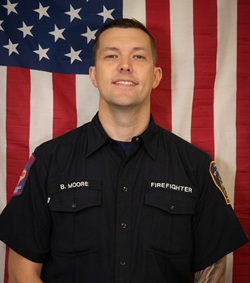
Brad Moore
Brad Moore is a dedicated public safety professional with over 18 years of service in emergency response. He has been a firefighter since 2021 and became a licensed paramedic in 2023, providing critical care in high-pressure situations. Before transitioning to Fire and EMS, Brad served for 12 years as a police officer, where he developed strong skills in leadership, crisis management, public safety, and community service. He is also a licensed EMS Instructor through the Texas Department of State Health Services, further extending his expertise in training and education for emergency responders.
Course Accreditation
Provider approved by the Texas Department of State Health Services, CE Program Approval Number #: 601011. Out of state participants must verify acceptance of this accreditation with their own licensing board.