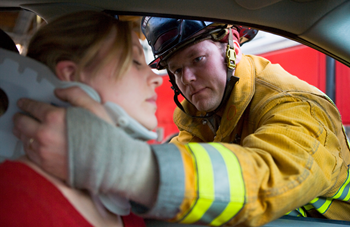
Clinical Decision-Making in EMS: Critical Thinking and Patient Care
Every emergency medical call requires clinical decisions that can directly affect patient safety and outcomes. From the initial scene assessment to treatment, transport, and patient handoff, EMS professionals must rapidly gather information, recognize potential threats, prioritize interventions, and adapt their approach as patient conditions change. Effective clinical decision-making requires more than following established protocols; it involves applying critical thinking, clinical judgment, and sound reasoning in unpredictable, high-pressure environments.
This continuing education course examines the essential components of clinical decision-making for Emergency Medical Technicians (EMTs), Advanced EMTs, and paramedics. Participants will explore the factors influencing prehospital decisions, methods for interpreting assessment findings, and strategies for identifying actual and potential life-threatening conditions. The course also addresses the appropriate use of protocols, common cognitive biases, effective team communication, and techniques for maintaining focus under stress.
Through practical examples and field-based scenarios, participants will learn how to develop patient management plans, recognize when those plans require adjustment, and improve decision-making through ongoing reassessment and professional reflection. Emphasis is placed on evidence-informed practices that support patient-centered care, provider confidence, and improved outcomes in emergency medical services.
Objectives
Upon completion of this course, participants will be able to:
- Identify the primary factors that influence clinical decision-making in the prehospital environment.
- Describe the steps of the clinical reasoning process, including assessment, interpretation, intervention, and reassessment.
- Differentiate between critical, potentially life-threatening, and non-life-threatening patient presentations.
- Explain how protocols, standing orders, scope of practice, and medical direction guide clinical decisions.
- Recognize common cognitive biases and decision-making errors that may negatively affect patient care.
Curriculum
Chapter 1: Foundations of Clinical Decision-Making in EMS
- Defining clinical decision-making and clinical judgment
- The importance of critical thinking in prehospital care
- Factors influencing clinical decisions
- Differentiating between critical, potentially life-threatening, and non-life-threatening conditions
- Balancing rapid intervention with thoughtful decision-making
- Gathering and interpreting patient information
- The five components of clinical decision-making
- Recognizing significant assessment findings and red flags
- Developing a working field impression and considering alternative causes
- Prioritizing interventions according to patient acuity
- Continuous reassessment and modifying the treatment plan
- Understanding scope of practice and provider responsibilities
- The role of protocols, standing orders, and treatment algorithms
- Applying evidence-based guidelines in prehospital care
- Recognizing the limitations of standardized treatment pathways
- Managing atypical presentations and patients with multiple medical conditions
- Knowing when to consult medical direction or request additional resources
- Maintaining patient safety when clinical findings do not match the initial impression
- Understanding how cognitive bias affects clinical reasoning
- Common decision-making errors
- Recognizing misleading symptoms and atypical presentations
- Avoiding assumptions based on age, behavior, medical history, or previous EMS encounters
- Using a brief diagnostic pause when time and patient stability allow
- Applying critical thinking to reduce preventable errors
- Clinical scenario: Recognizing a medical emergency behind apparent behavioral symptoms
- The effects of acute stress on clinical performance
- Maintaining situational awareness during high-pressure calls
- Using structured mental checklists and cognitive aids
- Balancing rapid, intuitive decisions with deliberate clinical reasoning
- Anticipating complications and preparing alternative plans
- Effective teamwork and communication
- Recognizing how fatigue, stress, and burnout can affect decision-making
- Bringing assessment, reasoning, and intervention together
- The importance of recognizing patient deterioration
- Reevaluating ineffective treatments and modifying care plans
- Using the Six Rs as a practical review framework
- Effective communication during patient handoff
- Learning from clinical experience, feedback, and case reviews
- Building stronger clinical decision-making skills through continuing education and simulation
Price: $24.00
Contact Hours: 2
Course Author
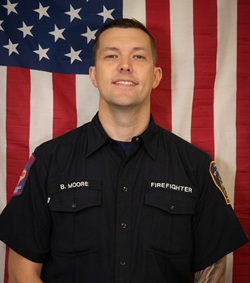
Brad Moore
Brad Moore is a dedicated public safety professional with over 18 years of service in emergency response. He has been a firefighter since 2021 and became a licensed paramedic in 2023, providing critical care in high-pressure situations. Before transitioning to Fire and EMS, Brad served for 12 years as a police officer, where he developed strong skills in leadership, crisis management, public safety, and community service. He is also a licensed EMS Instructor through the Texas Department of State Health Services, further extending his expertise in training and education for emergency responders.
Course Accreditation
Provider approved by the Texas Department of State Health Services, CE Program Approval Number #: 601011. Out of state participants must verify acceptance of this accreditation with their own licensing board.