
Menopause and Vasomotor Symptoms: A Comprehensive Clinical Approach for Nurses
This course provides a comprehensive, evidence-based review of vasomotor symptoms in menopause, beginning with the underlying anatomy, physiology, and neuroendocrine changes that drive symptom development. Learners will explore the pathophysiology of thermoregulatory dysfunction, the clinical presentation of VMS, and the broad range of factors that influence symptom severity and duration. Emphasis is placed on integrating current research, including emerging insights into hypothalamic signaling pathways and neurokinin-targeted therapies, into clinical practice.
In addition, this course examines both hormonal and non-hormonal treatment strategies, including menopausal hormone therapy (the gold standard for symptom relief) and alternative pharmacologic and lifestyle-based interventions for patients who cannot or choose not to use hormones. Through a patient-centered lens, nurses will develop the knowledge and clinical judgment necessary to guide individualized treatment decisions, improve patient education, and optimize outcomes for women experiencing vasomotor symptoms across the menopausal transition.
Objectives
Upon completion of this course, participants should be able to:
- Identify the diagnostic criteria, prevalence, and clinical significance of vasomotor symptoms associated with menopause.
- Describe the structure and function of the hypothalamic-pituitary-ovarian (HPO) axis and the role of KNDy neurons in thermoregulation.
- Explain the pathophysiologic mechanisms of vasomotor symptoms, including thermoneutral zone narrowing and neuroendocrine changes.
- Differentiate common clinical presentations and contributing factors influencing vasomotor symptom severity and variability.
- Outline appropriate assessment strategies, including history-taking, symptom evaluation, and differential diagnosis of vasomotor symptoms.
- Summarize lifestyle, behavioral, and non-pharmacological interventions used to manage vasomotor symptoms.
- Compare hormone replacement therapy options, including mechanisms of action, efficacy, and contraindications.
- Distinguish between non-hormonal pharmacologic treatments, including SSRIs, SNRIs, gabapentinoids, and neurokinin-3 receptor antagonists.
- Identify appropriate treatment considerations for special populations, including patients with contraindications to hormone therapy and breast cancer survivors.
- Describe the role of the nurse in patient education, care coordination, and shared decision-making in menopause management.
Curriculum
Chapter 1: Introduction to Menopause and Vasomotor Symptoms
-
Definitions: perimenopause, menopause, postmenopause
-
Epidemiology and prevalence
-
Impact on quality of life
-
Burden on healthcare systems and under-treatment trends
Chapter 2: Anatomy and Physiology of the Female Reproductive and Neuroendocrine Systems
-
Ovarian function and hormonal regulation
-
Hypothalamic-pituitary-ovarian (HPO) axis
-
Thermoregulation and the hypothalamus
-
Neurotransmitters involved (KNDy neurons: kisspeptin, neurokinin B, dynorphin)
Chapter 3: Pathophysiology of Vasomotor Symptoms
-
Decline in estrogen and narrowing of thermoneutral zone
-
Mechanisms of hot flashes and night sweats
-
Role of central nervous system and temperature dysregulation
-
Emerging understanding of neurokinin signaling pathways
-
Risk factors (BMI, race/ethnicity, psychosocial stressors)
Chapter 4: Clinical Presentation and Symptom Variability
-
Characteristics of hot flashes and night sweats
-
Frequency, severity, and duration (often lasting years)
-
Associated symptoms:
-
Sleep disturbances
-
Mood/cognitive changes (“brain fog”)
-
Cardiovascular implications
-
-
Cultural and individual variability in symptom experience
Chapter 5: Assessment and Diagnosis
-
Clinical history and symptom tracking
-
Differential diagnosis (thyroid disorders, infection, malignancy)
-
Use of validated symptom scales
-
Identifying candidates for treatment
Chapter 6: Lifestyle and Non-Pharmacological Management
-
Weight management and exercise
-
Sleep hygiene strategies
-
Trigger avoidance (heat, alcohol, stress)
-
Mind-body therapies (CBT, mindfulness, relaxation)
-
Evidence limitations and patient counseling
-
Patient-centered education strategies
Chapter 7: Hormone Replacement Therapy (HRT)
-
Mechanism of action of estrogen ± progestogen
-
Efficacy (up to ~75–90% symptom reduction)
-
Routes of administration (oral, transdermal, vaginal)
-
Risks vs. benefits (WHI data evolution)
-
Contraindications and patient selection
-
Shared decision-making and individualized care
Chapter 8: Non-Hormonal Pharmacologic Treatments
-
SSRIs/SNRIs (e.g., paroxetine)
-
Gabapentinoids
-
Clonidine
-
Neurokinin-3 receptor antagonists (emerging therapies)
-
Indications for non-hormonal therapy
-
Comparative effectiveness and safety considerations
Chapter 9: Special Populations and Clinical Considerations
-
Women with contraindications to HRT (e.g., breast cancer)
-
Early/surgical menopause
-
Comorbid conditions (cardiovascular disease, obesity)
-
Health disparities and social determinants of health
Chapter 10: Nursing Implications and Patient Education
-
Role of nurses in menopause management
-
Counseling and communication strategies
-
Promoting adherence and follow-up
-
Interdisciplinary collaboration
-
Case studies and clinical application
Price: $30.00
Contact Hours: 2.5
Course Author
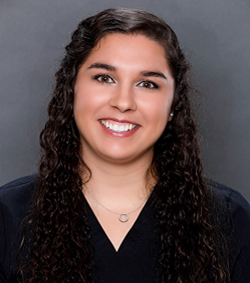
Kendall Moore
Kendall is a 2022 Magna Cum Laude graduate from Tyler Junior College with an Associate Degree in Nursing and completed Pacific College of Health and Science’s RN-to-BSN in Holistic Nursing program in 2026, also graduating Magna Cum Laude.
In addition to her academic and professional accomplishments, Kendall serves as the Chief Operating Officer of Pedagogy Education, where she oversees the company’s day-to-day operations and contributes as an educational course author. Her combination of leadership experience, clinical knowledge, and passion for holistic health reflects her ongoing commitment to advancing both patient care and healthcare education.
Read Full BioCourse Accreditation
See our Accreditation Statements page to view our accreditation information.